


Myth, Legend & Fairytales
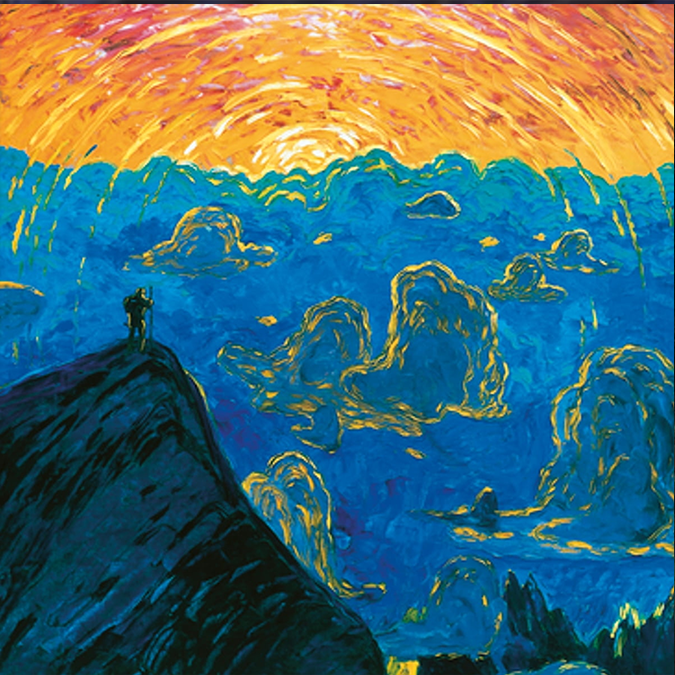
Thus Spake Zarathustra


$
In Thus Spoke Zarathustra (1883–1885), Zarathustra returns from the mountaintop bearing a new message for humanity—a message that marked the turn of an age.
Nietzsche described Thus Spoke Zarathustra as a revelation, as “an explosion of forces that have been accumulating for decades.” He considered it his masterpiece and the greatest gift ever given to humanity.
Upon publication, Zarathustra captivated the brightest minds in the Western world, leaving a deep impression on intellectuals, artists, writers, musicians, political leaders, and the pioneers of depth psychology. Poetic and visionary, it endures as Nietzsche’s most widely read and celebrated work.
Nietzsche’s Zarathustra reshaped our worldview. Counted among the great philosophers, he will one day be remembered as the herald of a new aeon.
Yet beware. Thus Spake Zarathustra can be deeply disturbing. Nietzsche himself confessed that “the years during and above all after Zarathustra were a time of incomparable distress.” Its radically divergent worldview can leave one isolated. Jung called it a dangerous book, one that should never have been published. Given the raw archetypal forces surging through it, he warned it should be studied only by those “who have undergone a very careful training in the psychology of the unconscious” and can withstand such powers.
Format
This course will be a series of 6 2-hour classes exploring in detail part 1 of Nietzsche's classic Thus Spake Zarathustra, in the light of the changing aion and depth psychology.