


Myth, Legend & Fairytales
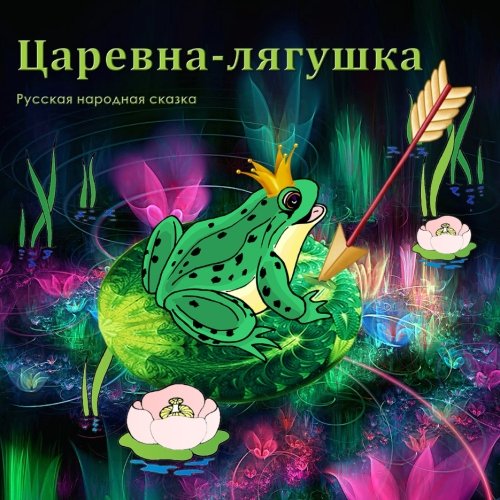
The Frog Tsarvina


$
In a distant Russian kingdom, a Tsar ordered his three sons to shoot arrows to determine their brides. The eldest’s arrow landed at a nobleman’s house, the second at a merchant’s, but the youngest, Ivan Tsarevitch, saw his arrow fall into a swamp, where a frog caught it. Bound by fate, he reluctantly married the frog.
When the Tsar tested his daughters-in-law, the frog astonished everyone. At night, she shed her skin and revealed herself as Vasilisa, a wise and beautiful maiden, secretly weaving fine bread and a golden rug. At the palace feast, she arrived in splendour, performed wonders with her magic, and put her sisters-in-law to shame.
But Ivan, overcome by curiosity, burned her frog skin before its time. Vasilisa wept, telling him she was close to breaking the enchantment, and vanished in the form of a white swan, leaving Ivan heartbroken and vowing to search for her.
Working with Fairytales
For Jung, fairy tales reflected the anatomy of the psyche. According to Marie-Louise von Franz, fairy tales represent “the purest and simplest expressions of the processes of the collective unconscious.” Stripped of the cultural, historical, and personal layers that often obscure myths and legends, fairy tales offer the clearest window into archetypal patterns at work within the psyche.
In each session, working with a fairy tale involves four steps:
- Reading the tale — engaging directly with the narrative.
- Exploring the imagery — identifying the key symbols and motifs.
- Psychological interpretation — understanding the archetypal meaning and its relation to the collective unconscious.
- Personal reflection and application — discovering how the tale’s message relates to one’s own life and individuation process.