


Fairy Tale Analysis
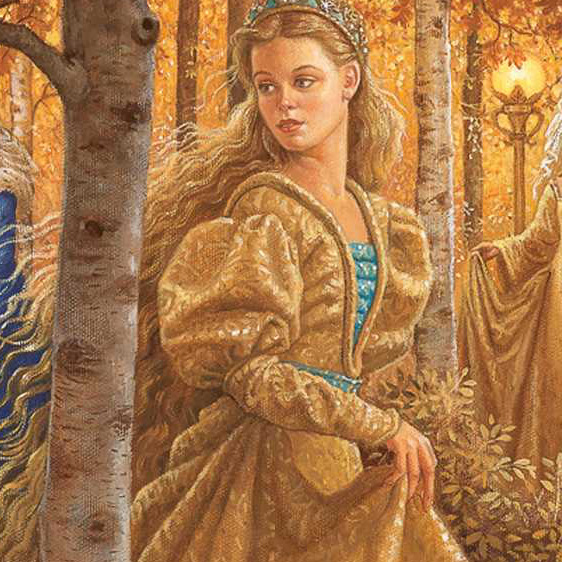
The Princess with Twelve Pairs of Golden Shoes


$
Gifted with a magic stick that grants invisibility and a ball that guides his path, a young man is led to a kingdom plagued by mystery: each night, the king’s daughter secretly wears out twelve pairs of golden shoes, and none who try to uncover her secret live to tell the tale.
Undeterred, the young man accepts the deadly challenge. Through wit, patience, and the aid of his enchanted gifts, he discovers the princess’s hidden descent into a realm of silver, gold, and diamond forests, where she dances with a troll until her shoes are worn to dust. His bravery not only exposes the truth but breaks the spell that bound entire kingdoms in silence and stone.
Working with Fairytales
For Jung, fairy tales reflected the anatomy of the psyche. According to Marie-Louise von Franz, fairy tales represent “the purest and simplest expressions of the processes of the collective unconscious.” Stripped of the cultural, historical, and personal layers that often obscure myths and legends, fairy tales offer the clearest window into archetypal patterns at work within the psyche.
In each session, working with a fairy tale involves four steps:
- Reading the tale — engaging directly with the narrative.
- Exploring the imagery — identifying the key symbols and motifs.
- Psychological interpretation — understanding the archetypal meaning and its relation to the collective unconscious.
- Personal reflection and application — discovering how the tale’s message relates to one’s own life and individuation process.